
 Books present a variety of unique conservation concerns. Numerous construction materials may include paper, leather, fabric, silk, thread, and adhesives, each of which have specific requirements in the area of conservation. Unlike a photograph or simple sheet of paper, a book has moving parts (pages) and must be handled and manipulated to perform the function it was designed for.
Protection from temperature and humidity fluctuation, ultraviolet light, and damaging display or storage materials is necessary for the long-term survival of books. Beyond that, books take on a whole new set of rules.
Open Books
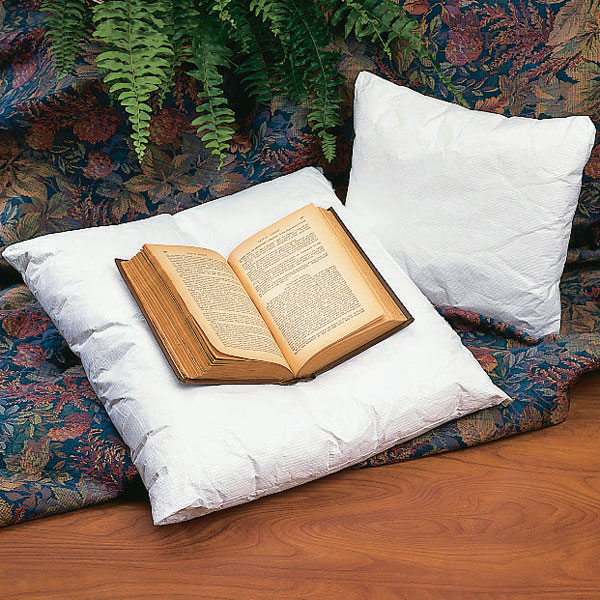
Opening a book completely (180 degrees) can flatten the spine and cause considerable damage. Collectors often wish to display the book opened. To do so safely, the book should not be opened more than 90 degrees, and both front and back covers should receive full support.  This can be accomplished using commercially available book cradles, support wedges and book mounts. They should be manufactured of inert materials (usually Plexiglas) and provide smooth, strong support.
A sheet of polyester cut to the proper size is ideal for holding down "springy" pages of an open book on display. Because it is crystal clear, the page can be viewed without obstruction. In addition, it will protect the exposed page(s) from dirt, dust and fingerprints. The polyester page protector should be fastened to the support, never to the book itself.
Closed Books Storage
Closed books are a little simpler to store. Adequate circulation should be maintained within the storage area. Books stored on shelves or in a book case should not be pushed against the back wall, but kept an inch or two away to allow circulation of air. This is especially important if it is an exterior wall since changes in temperature and humidity are more likely to occur. 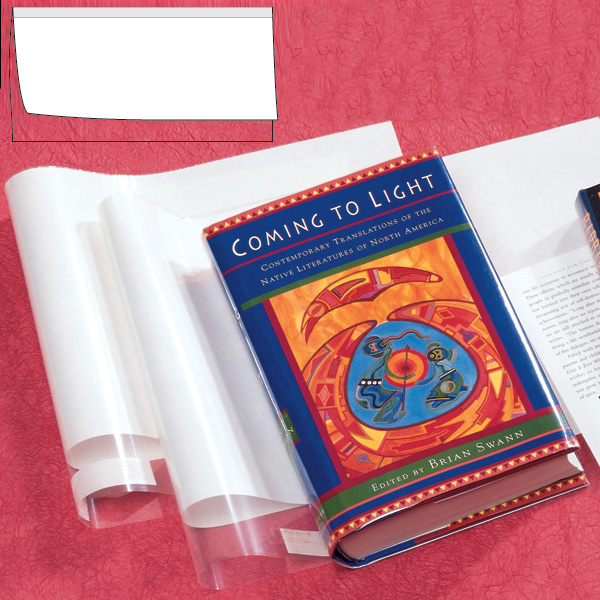 They should be stored upright on the shelf rather than laid flat, but should not be allowed to lean since the strain could damage the spine. Books with leather bindings should be stored away from those with cloth or paper bindings to prevent migration of naturally occurring acids and oils in leather from damaging paper or cloth bindings. Like-size books should be stored together to provide proper support, but should not be so tight as to cause damage when removed or replaced.
The downside to storing your book collection closed and on shelves is that viewing the book requires handling the book. Careless handling of books can cause irreparable damage, and a few common sense handling procedures can preserve a book in its pristine condition. Instead of pulling a book out by the top of the spine, push in the books on either side and remove by gently grasping both sides (another good reason to leave a few inches of space behind the books). Modern day books with dust jackets should be covered with a polyester book jacket cover. Book jacket covers are fairly inexpensive and provide increased protection from general wear and tear. 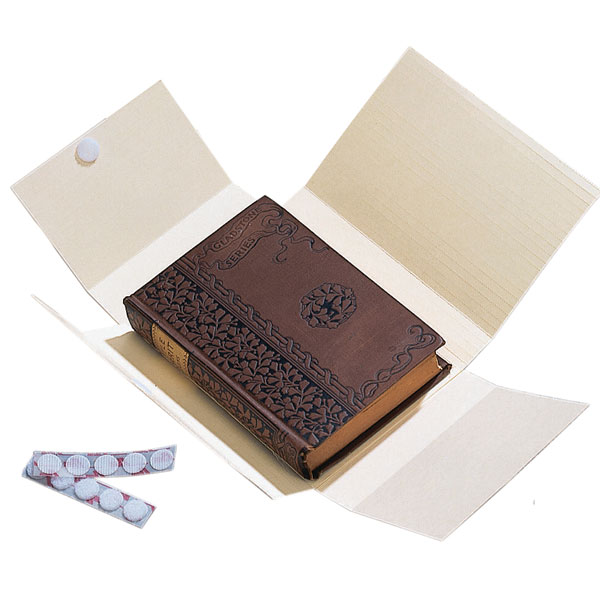 They also prevent chemicals from body oils in the hands and fingers from damaging the book. Use only polyester or other inert materials to cover books since some plastics or acidic papers can cause more harm than good. Most libraries use polyester dust jacket covers and can provide you with the name of their supplier.
Older/Damaged Books
Older books that are already exhibiting signs of weakness or damage must be treated differently. These should be stored flat rather than upright to provide needed support, and never more than two or three books high. Ideally, each damaged book should be stored individually in a box custom made to the book's dimensions. These boxes should be manufactured from archival quality materials only.
Some damaged books can and should be repaired. 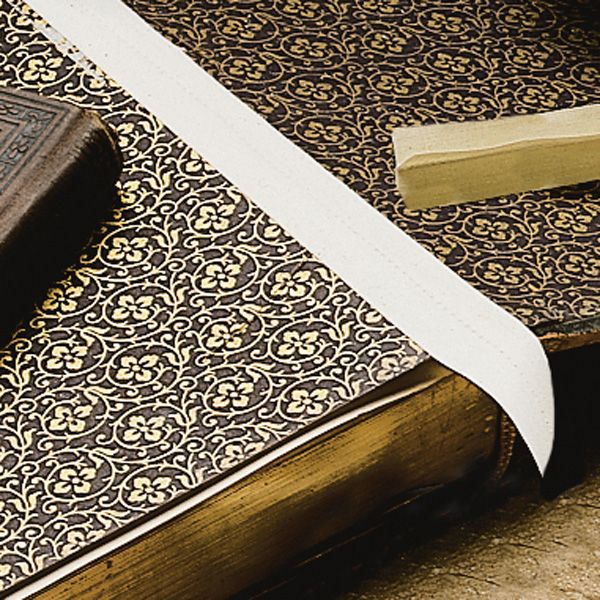 Repair work should only be attempted by a qualified book conservator trained in using proper materials and techniques. A book conservator can deacidify any books manufactured with acidic paper, repair tears in pages, tighten loose hinges, and create proper storage boxes, among other procedures. Properly cared for, your book collection will last indefinitely.